
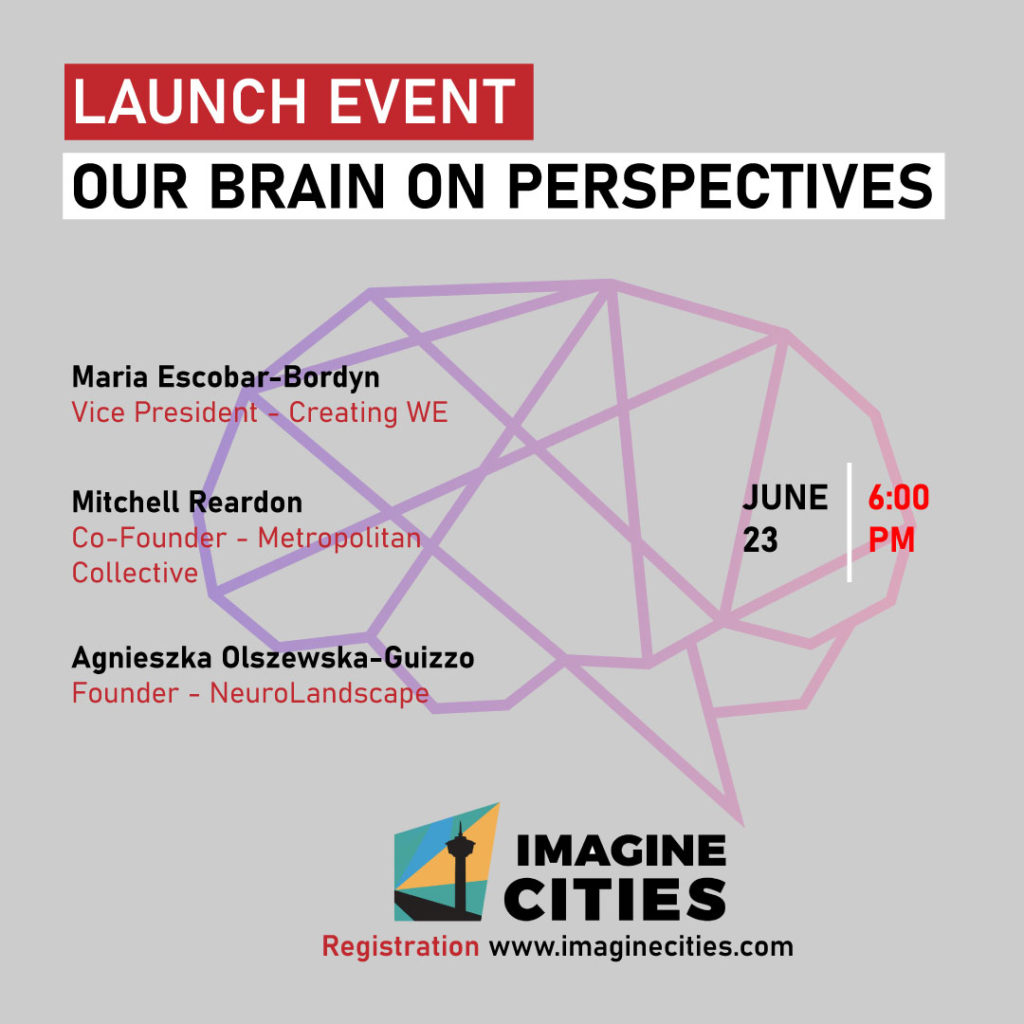
23 June, 6PM MST In Yuval Harari’s book Home Deus, he states that the greatest leaps in human progress were not simply the result of individual acts. Instead, the greatest leaps have been the result of our ability as a species to cooperate in large numbers. Join us for an insightful conversation about how breakthroughs in Read More
Category: News
Better Future for Healthy Aging Conference (BFHA 2020) _FREE ONLINE REGISTRATION!
The mission of the Conference is to stimulate research, implementation and scaling up innovations to manage health and wellbeing of the ageing population. BFHA 2020 is a scientific conference that will enable discussion on the transformation of health and care services into more digitilized, long-term, integrated and personalized care models while promoting innovative ecosystems in Read More
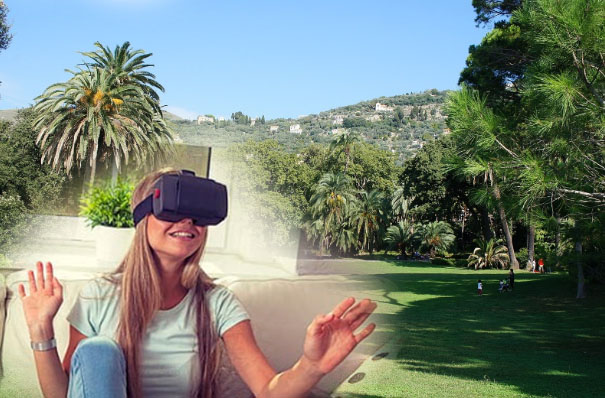
Take part in our survey and support research and development in the times of pandemic
The current global outbreak of #COVID19 makes the problem of our living space and mental health more relevant than ever. Read more in our recent blog post. This is why we need new solutions and new approaches. Please complete this 5-min, anonymous survey. If possible, share it with your family and friends, with special attention to Read More

Mental Health is also important – something about the connection with nature in the times of confinement
Landscape architects and urban ecology researchers have always been trying to bring people more to the outdoors, make the most of urban parks and gardens, calling the public attention to issues such as nature deficit disorder, mental health consequences from spending our time mostly indoors, looking at phones or monitors… Today, the situation is calling Read More
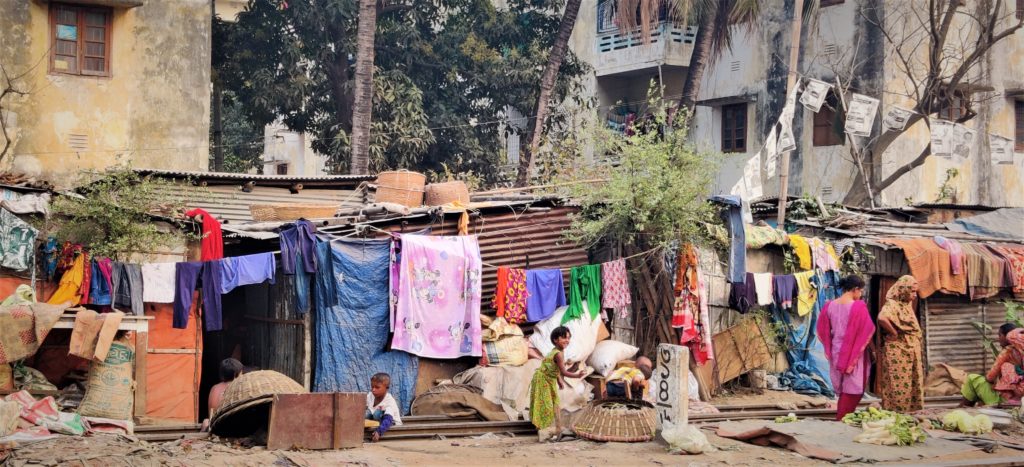
Unraveling links among climate change, poverty and health in slums of Dhaka
It is well known to the environmentalists that Bangladesh is currently considered the 7th most vulnerable country to the adverse effects of ongoing climate change. What we do not know, however, is the adverse effects that are already in place and how much it is tangled with rural-urban migration, rehabilitation, gender, human rights, and health Read More
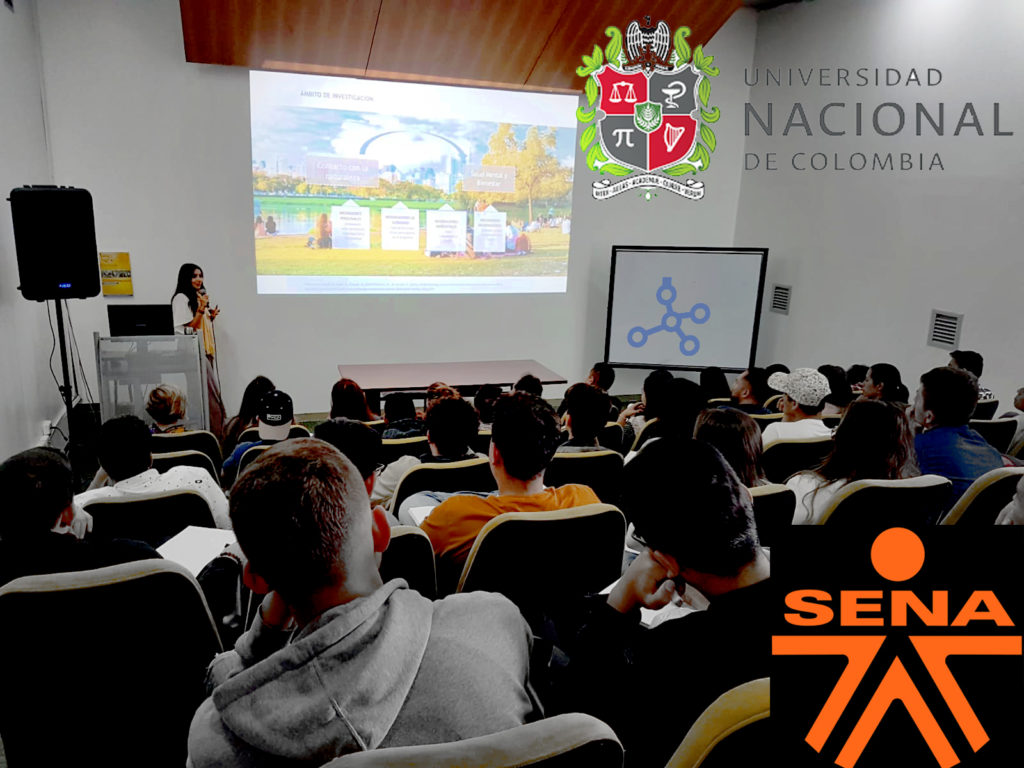
Connecting Social and Urban Studies with Health and Well-being of Communities – Speech at the National University of Colombia in Manizales
On January 29th 2020 NeuroLandscape’s Board Member Dr. Diana Benjumea was invited to give a talk in the Universidad Nacional de Colombia to the staff and students of the Department of Architecture and Built Environment in the city of Manizales. The talk aimed to share the multidisciplinary work that is conducted in NeuroLandscape with special Read More
Blue space and mental health report out for review!
As a contributor to Expert Working Group Biodiversity & Health of the 3rd French Plan on Health and Environment (PNSE3) – Ministry in charge of the Environment (MTES) France, since 2017 we have been working to answer the following question: Which types and components of urban and peri-urban blue/green spaces have a significant impact on human mental Read More
Pre-Conference Workshop, Urban Health, Xiamen, China
Date& Time: 5.11.2019, 9am Location: School of Architecture and Civil Engineering (SACE 5), Xiamen University, #182 Da Xue Road, Xiamen, China With the growing interest among researchers, practitioners, and urban decision makers in the influence of the quality of the built environment on peoples’ health, there is increasing emphasis on using scientific knowledge to inform urban design, Read More
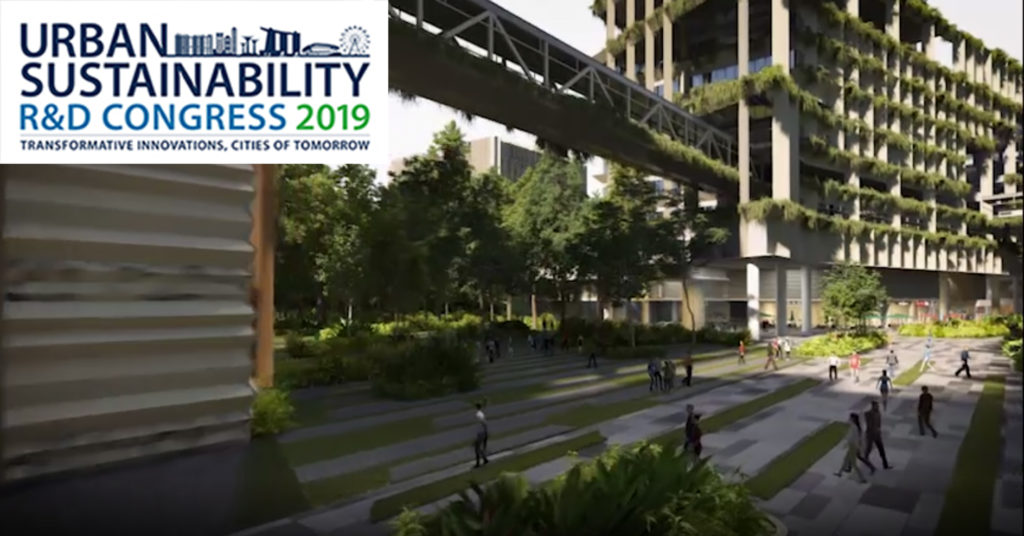
Where Government Listens to Scientists: Urban Sustainability R&D Congress, Singapore
Singapore is one of the most prominent examples of Urban Sustainability through new technologies, research and development. It is also one of the few countries where the government is actively supporting science and innovation in order to inform the practice of urban design and solve urban living issues. The Urban Sustainability R&D Congress is organized Read More

Heidi’s Syndrome or Nature-Deficit Disorder
Heidi’s Syndrome is known also as ‘nature-deficit disorder’; a term coined by an American author and activist Richard Louv to describe “the psychological, physical and cognitive costs of human alienation from nature, particularly for children in their vulnerable developing years.” While it is not a formal diagnosis, it reflects a medical jargon that is weaving Read More