
The Neurourbanism Assessment (NUA) is a comprehensive methodology for urban wellbeing, designed for the in-situ evaluation of urban interventions' impacts on the mental health status at the neighborhood scale. Unlike traditional clinical assessments focusing on individuals, NUA is centered on the "diagnosis of the space," seeking to understand how the human nervous system collectively responds to its urban surroundings so they can be optimized for mental health promotion. NUA ensures ecological validity by collecting multi-modal data in real-world urban environments, avoiding artificial laboratory simulations. Additionally, as a bottom-up citizen's sience approach it engages community members themselves in the collection of data to informs the urban planning and design.
NUA Building Blocks: Multi-Modal Data Collection
- Objective Neuro-physiological Measures captured by recording the electrical byproducts of neural and bodily activities - the brain and body state of residents as they explore urban spaces. They include the inputs from Mobile Electroencephalography (mEEG): Participants wear portable, non-invasive (such as the Muse 2 headband), to measure brain activity oscillations. Biomarkers such as Alpha (8-13Hz) and Beta (14-30 Hz) Oscillations as well as the Heart Rate Variability (HRV) are taken under consideraton.
- Subjective, Self-reported Measures: Mental Health Metrics: Standardized questionnaires measure stress (PSS-10), generalized anxiety (GAD-7), and depressive symptoms (PHQ-8), Quality of Life and Community wellbeing measured with WHOQoL-BREF), and contextual data regarding momentary mood, sleep quality and recording experience.
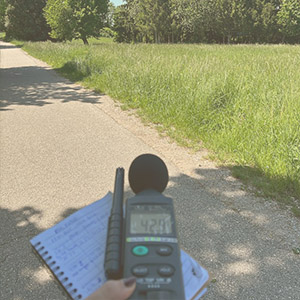
- Spatial and Environmental Measures: Metrics include canopy cover area, permeable surface ratio, noise levels, thermal comfort, and air quality (e.g., µg/m³ of NO2 or PM2.5). Moreover, the Contemplative Landscape Model (CLM) score is used for expert assessment of landscape visual quality, urban morphology, topography, composition, and aesthetics.
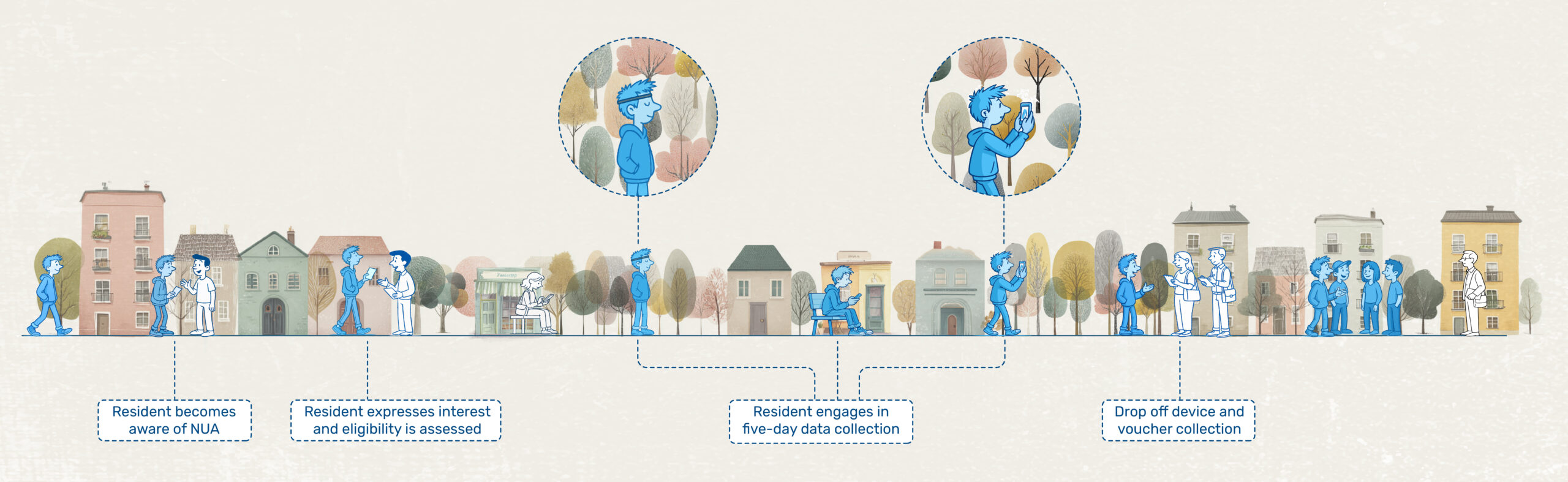
The NUA relies on a citizen science approach, actively engaging residents as participants to collect their own mental health data. The assessment follows a structured seven-day protocol:
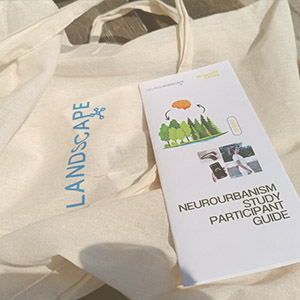
- . Enrolment Day (1–1.5 hours): Participants are registered for NUA study (receiving a unique participant code for anonymization), and receive training on the use of the mEEG device and the associated smartphone applications. An initial on-site recording is performed, followed by self-report measures. They also answer wellbeing questionnaires in the end.
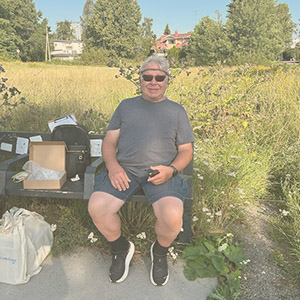
- Autonomous Recording (5 days): Participants take the device home and perform three recording sessions on their own (one on-site walk, two at home during daily activities), each including a 1-minute rest period and a 20-minute activity period. Daily short-term mood questionnaires are also completed.
- Closing Day: Participants return the device, complete final reports, and receive compensation for their time.





Neurourbanism Index (NUIX)
The primary quantitative output of the NUA is the Neurourbanism Index (NUIX). It is a pioneering, citizen science-driven tool that measures Wellbeing in Place at the neighborhood scale. Unlike traditional urban metrics that focus on functionality or liveability, NUIX quantifies how a specific environment actively supports or hinders the mental health and wellbeing of its residents. NUIX synthesizes complex data—from brainwaves to social connections—into a single, easy-to-understand score, empowering planners and policymakers to create spaces that don't just function well, but actively foster human flourishing.
How it works:
NUIX combines five complementary domains into one unified score (0-100%). The 50% weighting on Environmental Quality gives actionable agency to urban planners, while the other four human-centered domains ensure a holistic biopsychosocial assessment.

Neurophysiology (12.5%): Objective data on how residents' brains and hearts respond to the environment, reflective their momentary affect, derived from mobile EEG (mEEG) and Heart Rate (HR) wearable sensors.
Wellbeing (12.5%): Subjective self-reports on mood, anxiety, depression, stress, and quality of life.

Community Bonding (12.5%): Social cohesion, sense of place, safety perceptions, and community attachment.

Lifestyle (12.5%): Health-related behaviors, including screen time, outdoor physical activity, sleep quality, and life satisfaction.

Environmental Quality (50%): The physical attributes of the space, including acoustic/thermal comfort, landscape visual quality (Contemplative Landscape Model-CLM), and the presence of Nature-based Solutions (NbS).
Real life examples:
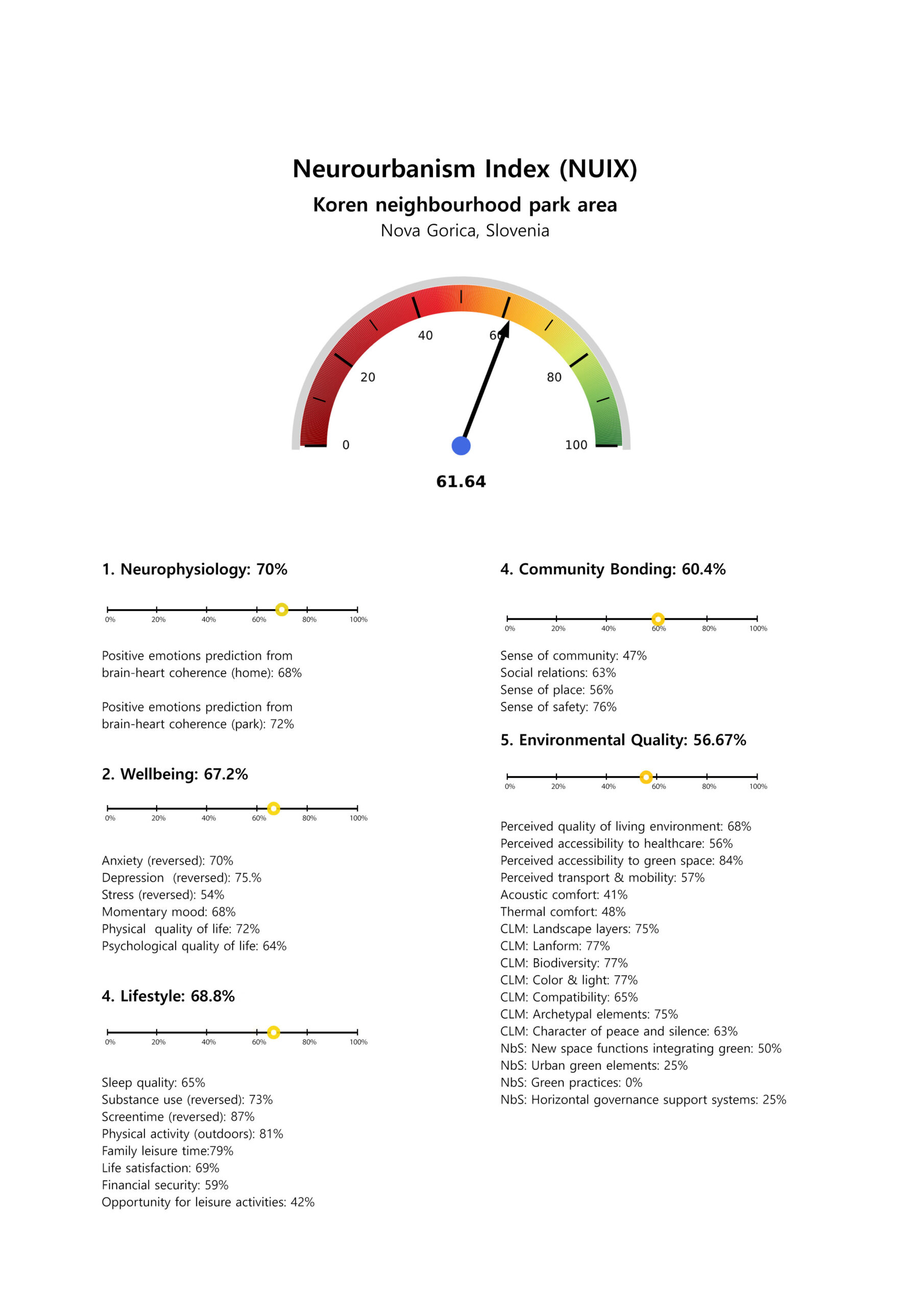
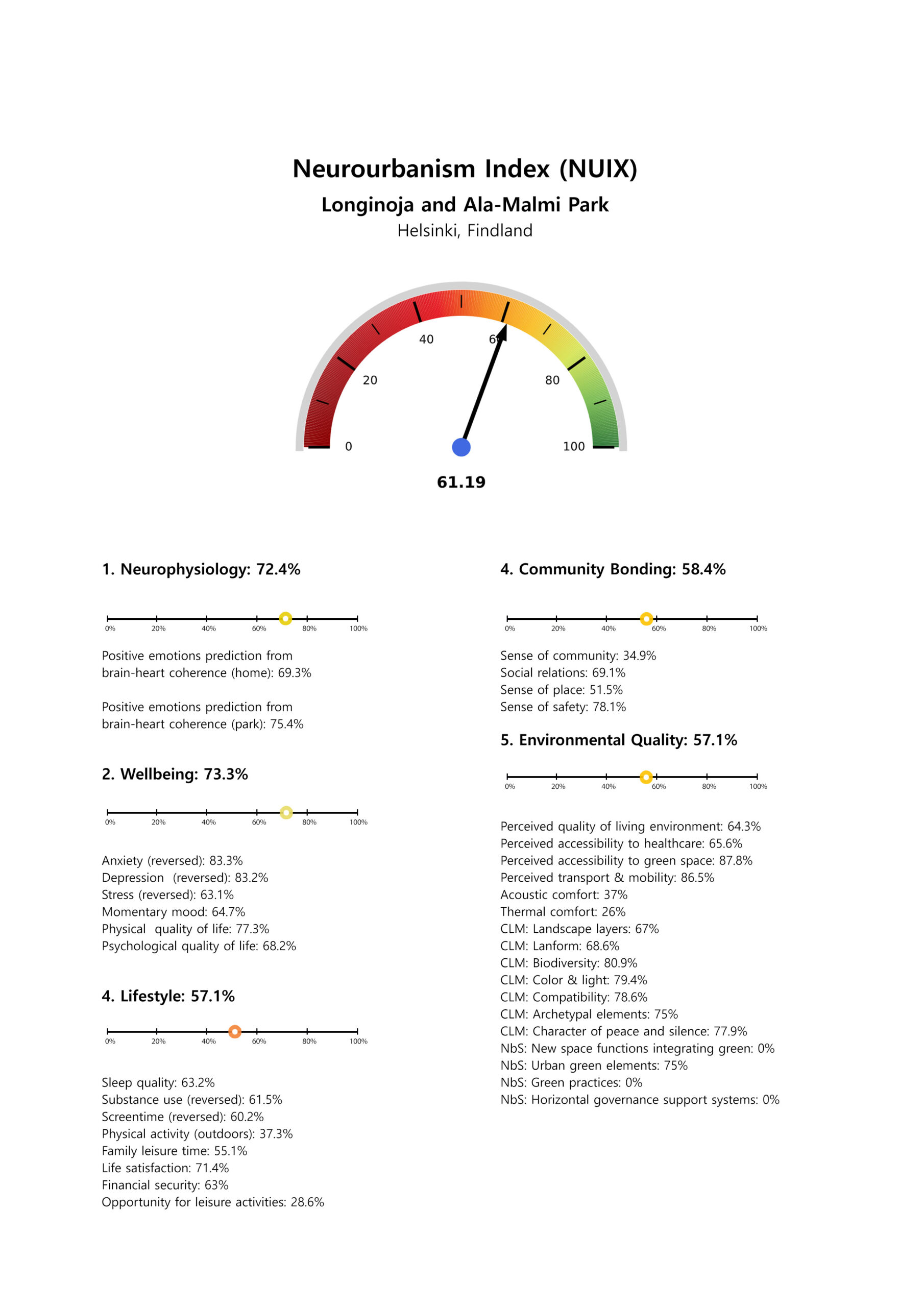
Within the GreenInCities project we tested and optimized the NUIX at 2 pilot sites, in the south and north of Europe. First site was Nova Gorica, a town located on the border of Slovenia and Italy . Another site was Helsinki, a capital of Finland, and a selected neighbourhood characterised with substantial deprivation rate - Malmi. Below are the examples of first NUIX reports showing the main result of the diagnosis of the space.
What makes NUIX unique?
-
Objective + Subjective: It uniquely integrates real-time neurophysiological data (brain-heart coherence) with residents' own perceptions and experiences.
-
Citizen-Led: Data is collected by community members themselves during daily life (in parks, at home), ensuring ecologically valid, real-world results.
-
Actionable Output: Results are presented as a clear percentage with a "traffic light" system (green = optimal, yellow = moderate, red = suboptimal). This allows for direct comparison between different neighborhoods and before/after tracking of urban interventions (e.g., a park renovation).
What can you do with NUIX?
-
Diagnose a neighborhood's specific wellbeing strengths and deficits.
-
Compare different sites to understand what works.
-
Quantify the tangible mental health impact of urban design changes.
-
Guide co-creative enhancements that move cities beyond mere liveability toward actively promoting resident wellbeing.