
Our NGO is looking for a volunteer who will take care of our PR and Communications in Singapore.JOB DESCRIPTION & SCOPEWe would like to especially invite students or graduates from the appropriate university course, however, we are open for offers from other people too. The selected person will help us build the NeuroLandscape communications strategy and launch Read More
Author: Agnieszka Olszewska-Guizzo
President and Founder of NeuroLandscape. Ph.D. in Landscape Architecture and Urban Ecology, in her research she explores the relationship between the different features of the natural and built environment’s influence on human health and well-being. She has successfully incorporated neuroscience tools to investigate the changes in brainwave oscillation in people exposed to different types of scenery. She has introduced and operationalized the term contemplative landscape and proposed a quantitative assessment scale - a Contemplative Landscapes Model (CLM) - to identify most beneficial landscapes for mental health in terms of passive exposure. She is an author of "Neuroscience for Designing Green Spaces: Contemplative Landscapes", Editor-in-Chief of the Journal of Urban Design and Mental Health. She is continuing her research on therapeutic landscapes under two ongoing Horizon Europe projects: GreenME and GreenInCities.
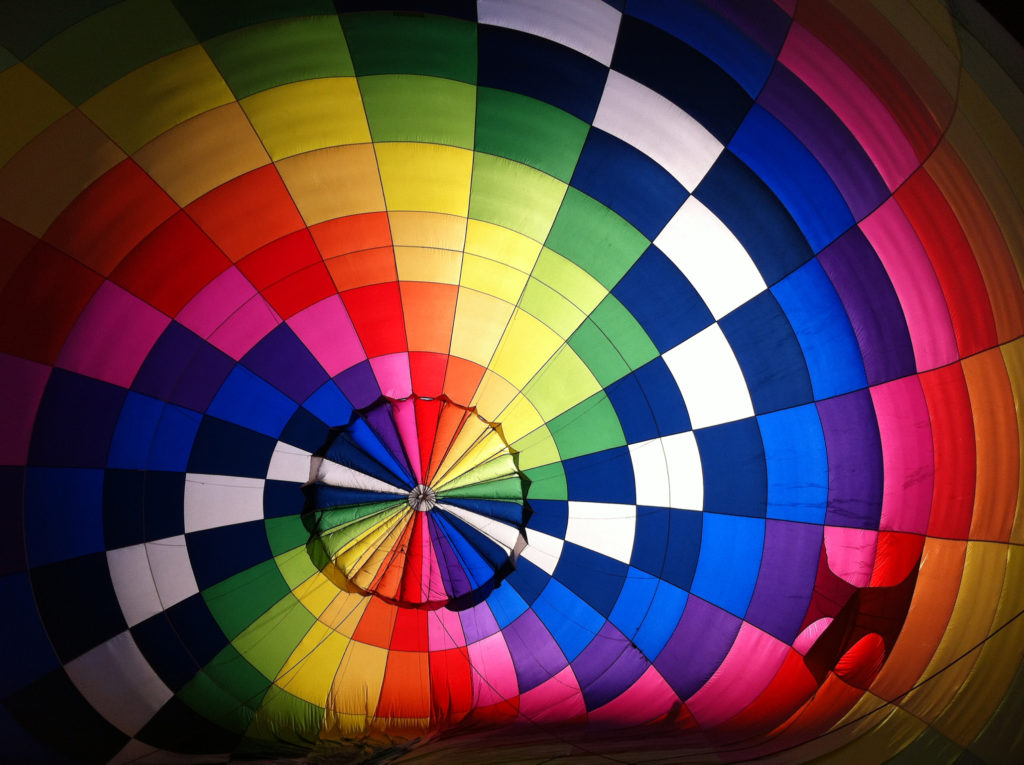
Colour-blindness and appreciation of green landscape?
This might be a very pertinent question… If contact with nature and the visual stimuli from being surrounded by predominantly GREEN environment is so beneficial for our overall wellbeing… what about colour-blind people? Of course researchers have already asked similar questions and we now know that some types of colour-blindness can even have their advantages. The Read More

Landform – Contemplative Landscape Features Series
One of the core questions in our quest for making landscapes more contemplative have been identifying what actually makes a space contemplative or not. Having discussed the importance of long-distance views in an earlier post (click here), today, we turn to a characteristic under the label ‘landform’ in defining a contemplativeness of landscape. So what hides Read More
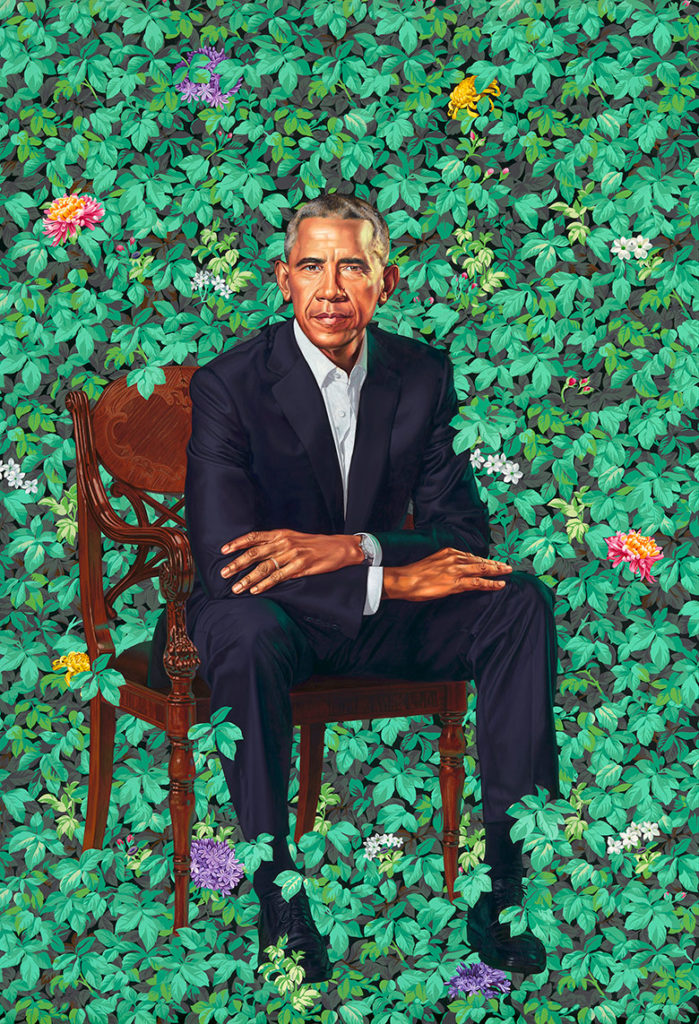
Barack Obama’s portrait is very green
Isn’t it interesting how an artist’s choice to place A LOT of greenery on a president’s portrait can turn into an intense, not only artistic, but also cultural, political, ideological, racial and environmental debate?We cannot deny that this portrait also got our attention exactly because of that beautiful background the artist, Kehinde Wiley chose to Read More

Women and Girls in Science Day 2018
11 February is UN’s International Day of Women and Girls in Science. While girls have exactly the same potential to be scientists, researchers, and influencers as boys, somehow our societal norms are still not living up to that natural, full potential half of the world’s population. Initiatives like UN’s International Days are still necessary and Read More
Ask the Neuroscientist – an interview with Dr. Nicolas Escoffier
Taking the advantage of having a neuroscience expert on our team, we sat down with our very own Dr. Nicolas Escoffier to talk about mental health, research and of course, our most enigmatic organ – the brain. How can neuroscience help to answer questions about our living environment and to understand more about our relationship Read More
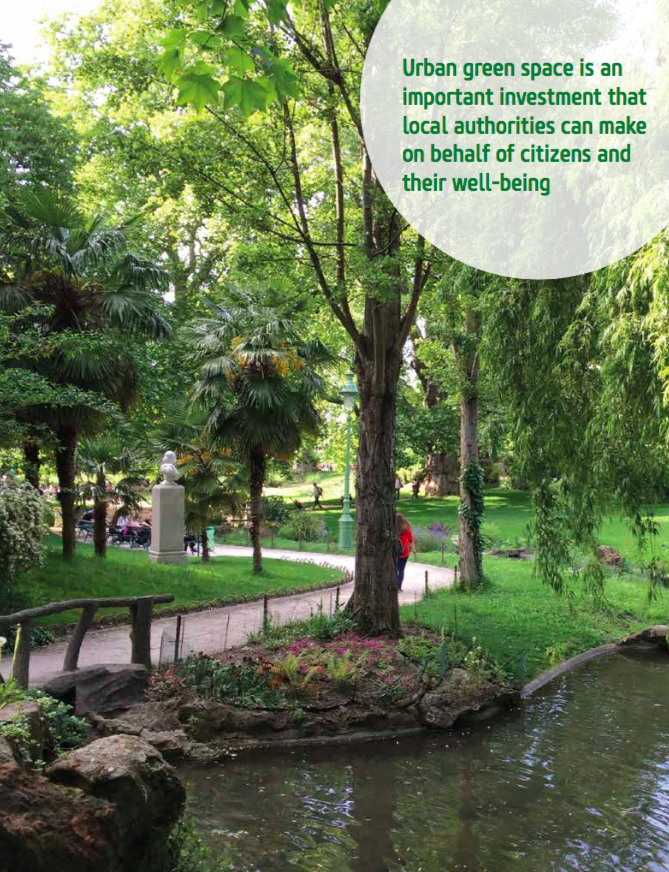
WHO calls for action to make cities greener
For many years, the World Health Organisation (WHO) has made various moves to emphasize and promote mental health as one of the major issues of the developed world. Already in 2005, it stated that Europe’s biggest problem today is the effects of mental disorders of the European population. A quarter of the population suffers from Read More
Happy Holidays
For this festive season, wishing you all a Healthy and Happy Holidays!!! May this be the time to mindfully enjoy the laughter and company of our loved ones, the nutritious festive meals and let’s not forget the wonderful benefits of long walks in the winter wonderland. Let’s all make a great start to the New Read More

LOOKING FOR PARTNERS!
We will be happy to connect with a SME specialising in Virtual Reality, Augmented Reality or Mixed Reality modelling, 3D content rendering, for our new research project! #VR #AR #MixedReality #3D
Layers of Landscape – Contemplative Landscape Features Series
If you have ever wondered why movie characters always seem to be entrenched in deep thought while looking out far into the distance, this post is for you as it explains the science behind this magic of long-distance views.It all comes down to a category of contemplative features of landscapes we call ‘Layers of Landscape’. Read More