

One of the core questions in our quest for making landscapes more contemplative have been identifying what actually makes a space contemplative or not. Having discussed the importance of long-distance views in an earlier post (click here), today, we turn to a characteristic under the label ‘landform’ in defining a contemplativeness of landscape. So what hides Read More
Category: News
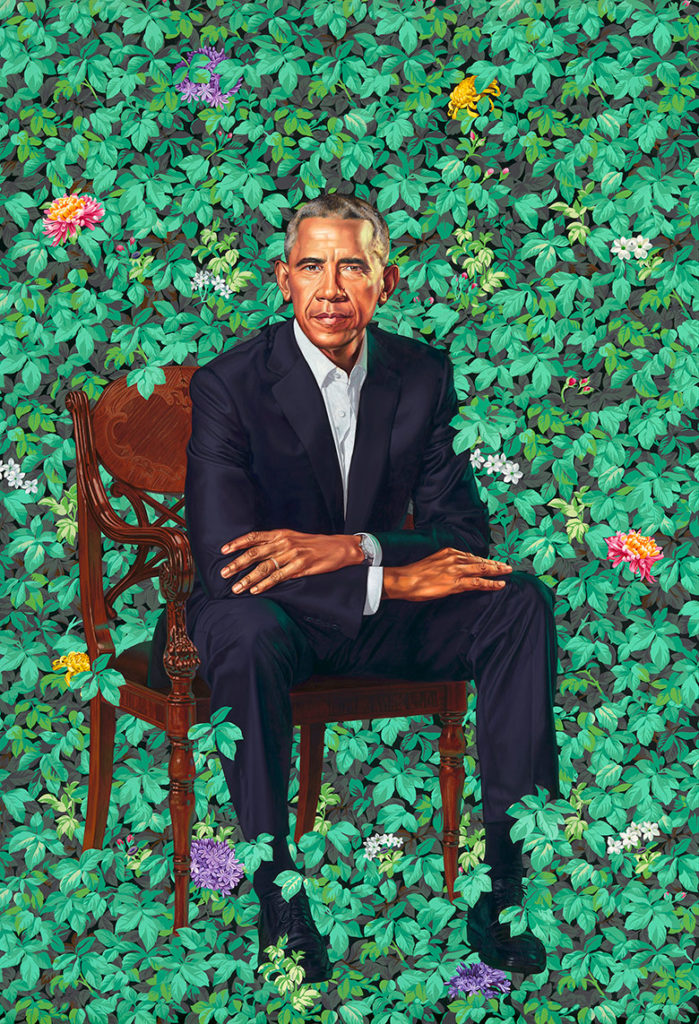
Barack Obama’s portrait is very green
Isn’t it interesting how an artist’s choice to place A LOT of greenery on a president’s portrait can turn into an intense, not only artistic, but also cultural, political, ideological, racial and environmental debate?We cannot deny that this portrait also got our attention exactly because of that beautiful background the artist, Kehinde Wiley chose to Read More

Women and Girls in Science Day 2018
11 February is UN’s International Day of Women and Girls in Science. While girls have exactly the same potential to be scientists, researchers, and influencers as boys, somehow our societal norms are still not living up to that natural, full potential half of the world’s population. Initiatives like UN’s International Days are still necessary and Read More
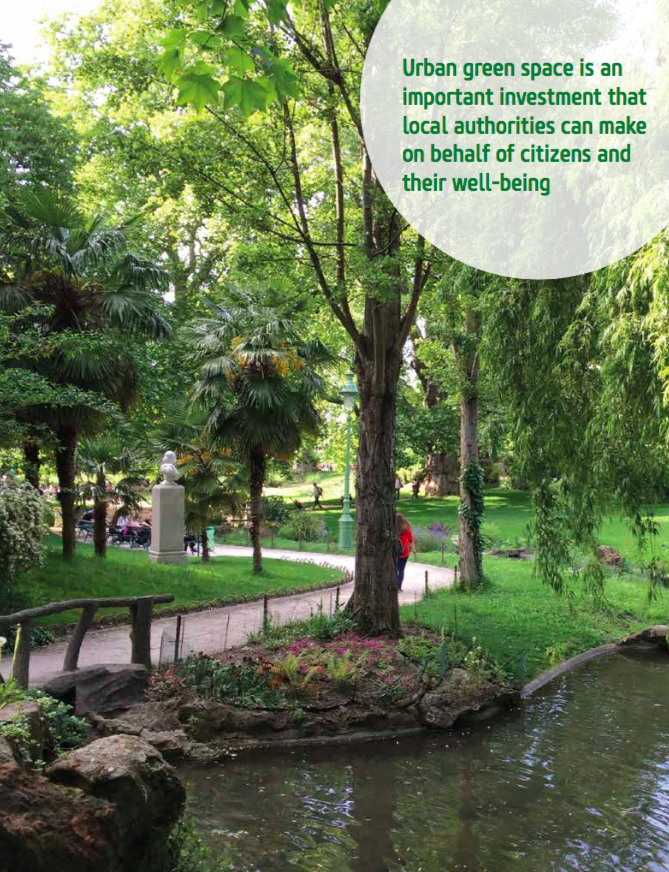
WHO calls for action to make cities greener
For many years, the World Health Organisation (WHO) has made various moves to emphasize and promote mental health as one of the major issues of the developed world. Already in 2005, it stated that Europe’s biggest problem today is the effects of mental disorders of the European population. A quarter of the population suffers from Read More
Happy Holidays
For this festive season, wishing you all a Healthy and Happy Holidays!!! May this be the time to mindfully enjoy the laughter and company of our loved ones, the nutritious festive meals and let’s not forget the wonderful benefits of long walks in the winter wonderland. Let’s all make a great start to the New Read More

LOOKING FOR PARTNERS!
We will be happy to connect with a SME specialising in Virtual Reality, Augmented Reality or Mixed Reality modelling, 3D content rendering, for our new research project! #VR #AR #MixedReality #3D
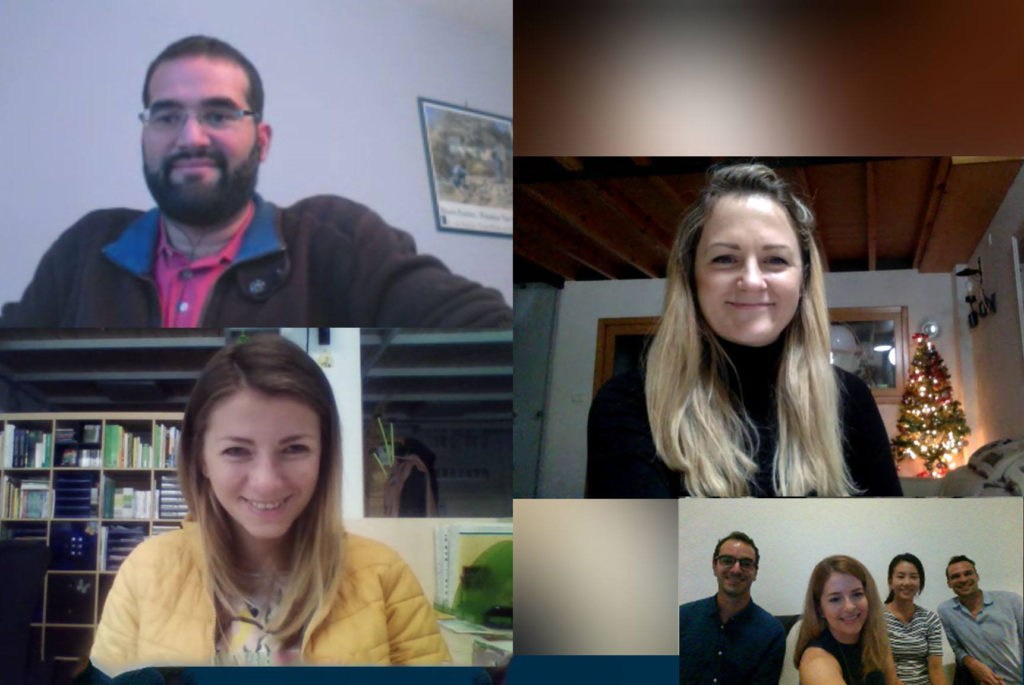
On-line board meeting of NeuroLandscape
After the first, international, on-line board meeting of NeuroLandscape we hope to transmit this enthusiasm and excitement onto you all with this picture! As this season of joy is approaching, what a better way to start it than meeting with like-minded, enthusiastic and motivated people from around the world. We are looking forward to the Read More

What makes a garden therapeutical?
Is it the fact that medicinal herbs grow there? Or is it full of outdoor elements that improve you health (like a jogging track, or outdoor gym)? There is quite a mess around the concept of “therapeutical garden” so let’s not try to find one concise definition, but instead let us explain how we see Read More

Why NeuroLandscape and not Neuro-Landscape?
Besides aesthetical preference, the decision to avoid the hyphenated gap between ‘neuro’ and ‘landscape’ is a subtle nod to the philosophy of our organization. Inclusion of the hyphen could suggest that the activities of the brain and the surrounding landscape need to be forcefully brought together, whereas the mind and its physical environment are in Read More
Visit our blog
Almost three years have passed since this interview about the research behind NeuroLandscape. How exciting to see how far we’ve come since then! Visit our blog to read more about the motivation for our project: http://neurolandscape.org/2014/09/ (AP Photo/Julie Jacobson)