
Matosinhos, Portugal – 20-22 May, 2025
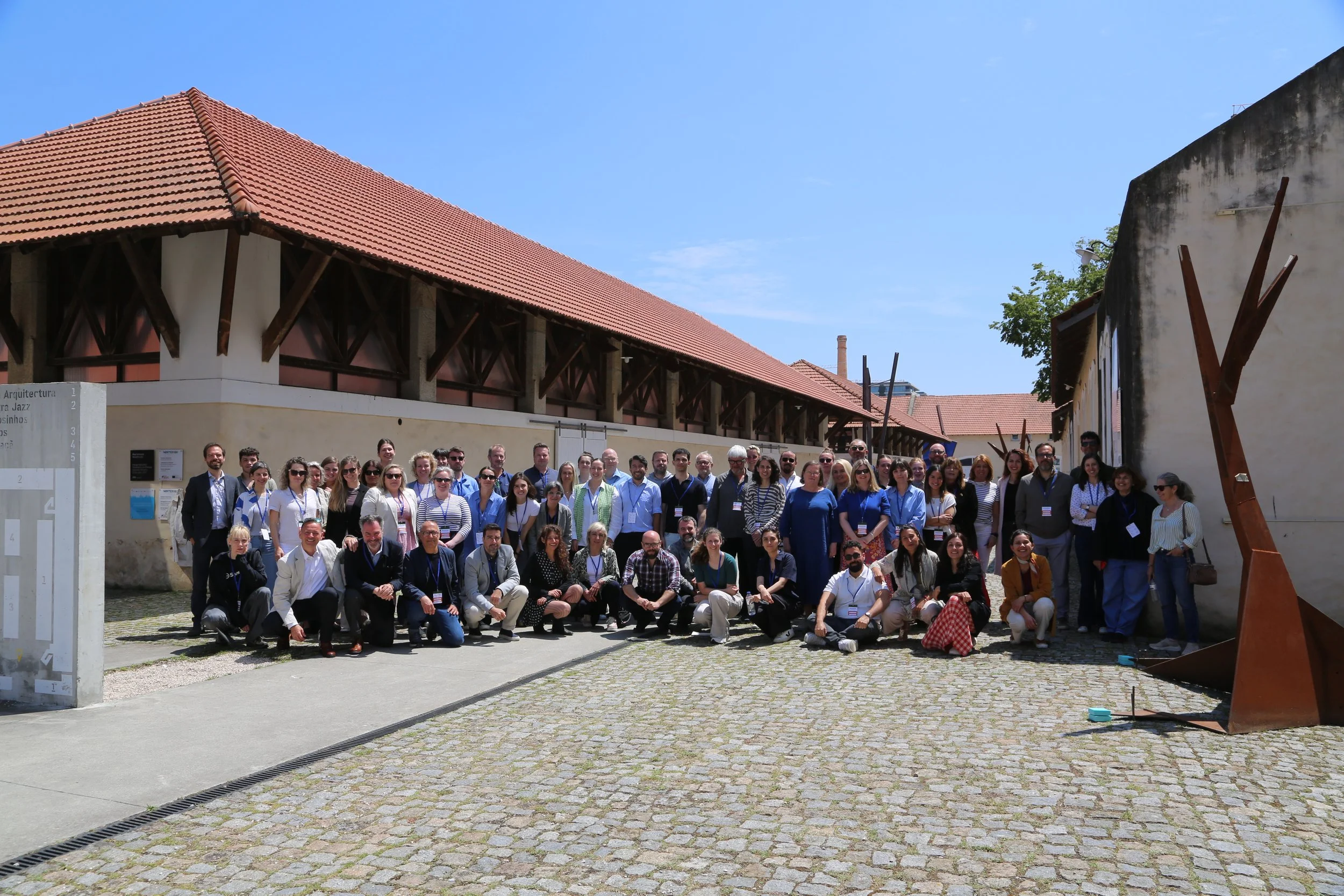
Last month, NeuroLandscape attended the third GreenInCities General Assembly Meeting in the seaside town of Matosinhos in northern Portugal. Hosted by the University of Porto and the Câmara Municipal de Matosinhos, the three-day event brought together the project partners to advance our shared mission: urban regeneration through Nature-based Solutions (NbS). The meeting provided the platform for key discussions on urban greening, sustainability, mental health, and the role of innovative tools in creating more inclusive and resilient cities across Europe.
Day 1
The first day kicked off with some inspiring words from the mayor of Matosinhos, Luísa Salgueiro, the GIC project coordinator, Chiara Farinea, and Professor Miguel Coimbra from the University of Porto. Each of them in their own way reiterating the shared vision of this project—rethinking our cities by bringing together NEB values, sustainable planning, and active citizen engagement.
Later that day, we visited the Fábrica Vasco da Gama, a former cannery factory turned innovation hub, to see the VerdePerto exhibition exploring the ambitious goal Matosinhos has set to become 85% carbon-neutral by 2030.
Then, the Institute for Advanced Architecture of Catalonia and Pla Estratègic Metropolità de Barcelona (PEMB) presented on the pilot project in Barcelona, which led to redesigning the initial plans to prioritise biodiversity along the riverbed, through meaningful co-design with local communities in Besòs.
The team from LAND shared key outcomes from the Re-naturing Matrix, a tool that identifies planning gaps in climate strategies and connects them with practical tools, indicators, and EU frameworks. The matrix is designed to be actionable, adaptable, and scalable—providing a strategic guide for local technicians in both pilot and follower cities.
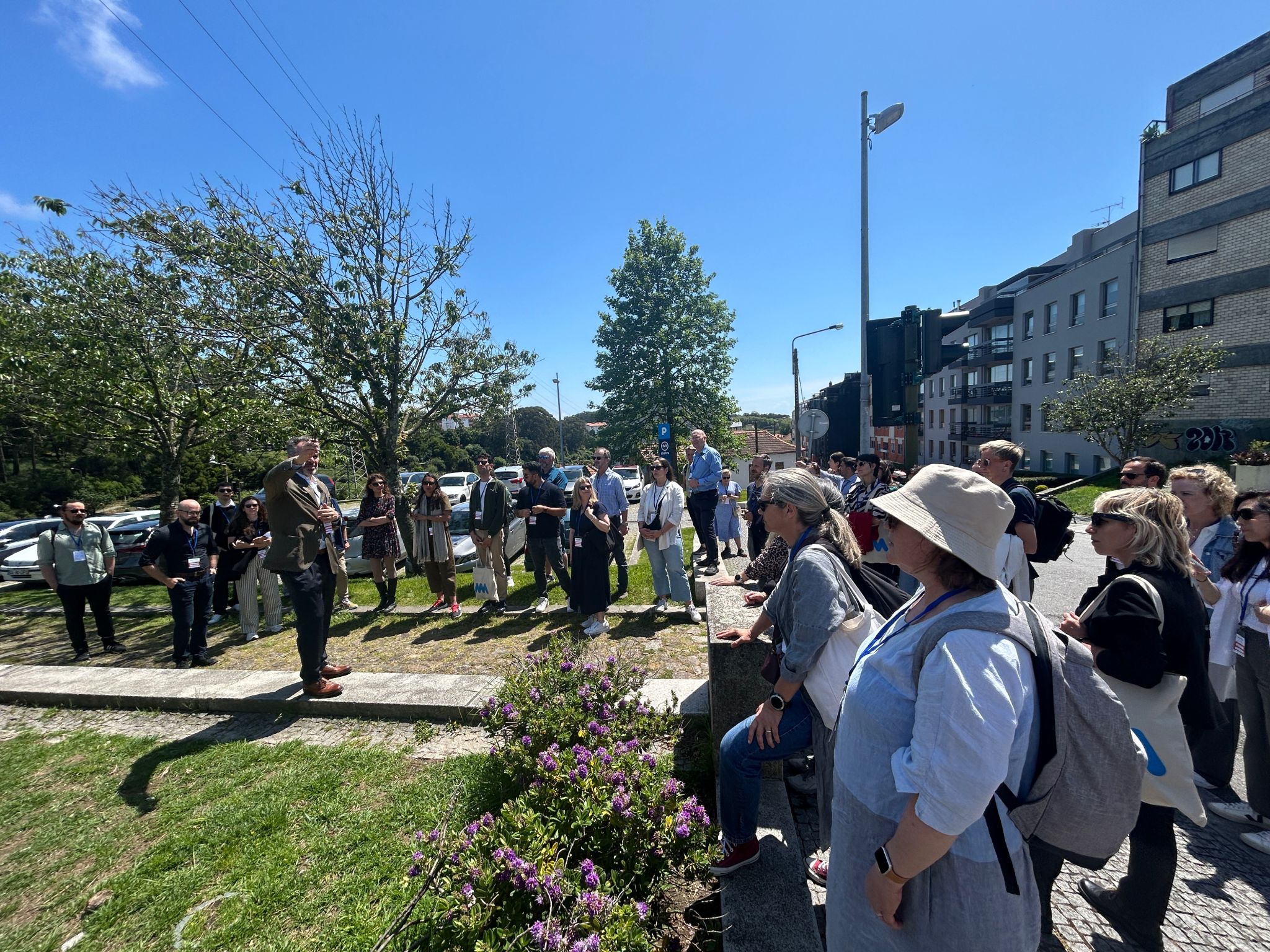
The day ended with a site visit to Parque do Real. This green intervention area in Matosinhos demonstrates typical urban and social challenges, such as fragmented public spaces, water management needs, mobility barriers, and housing tensions. These real-world complexities underscore the importance of integrated, citizen-informed solutions that link urban design, ecology, and social equity.
Day 2
The second day of the GreenInCities consortium meeting focused on refining co-creation strategies and fostering deeper technical cooperation between Leader and Follower cities. The agenda emphasized the transition from theoretical frameworks to practical, site-specific applications.
Highlights:
-
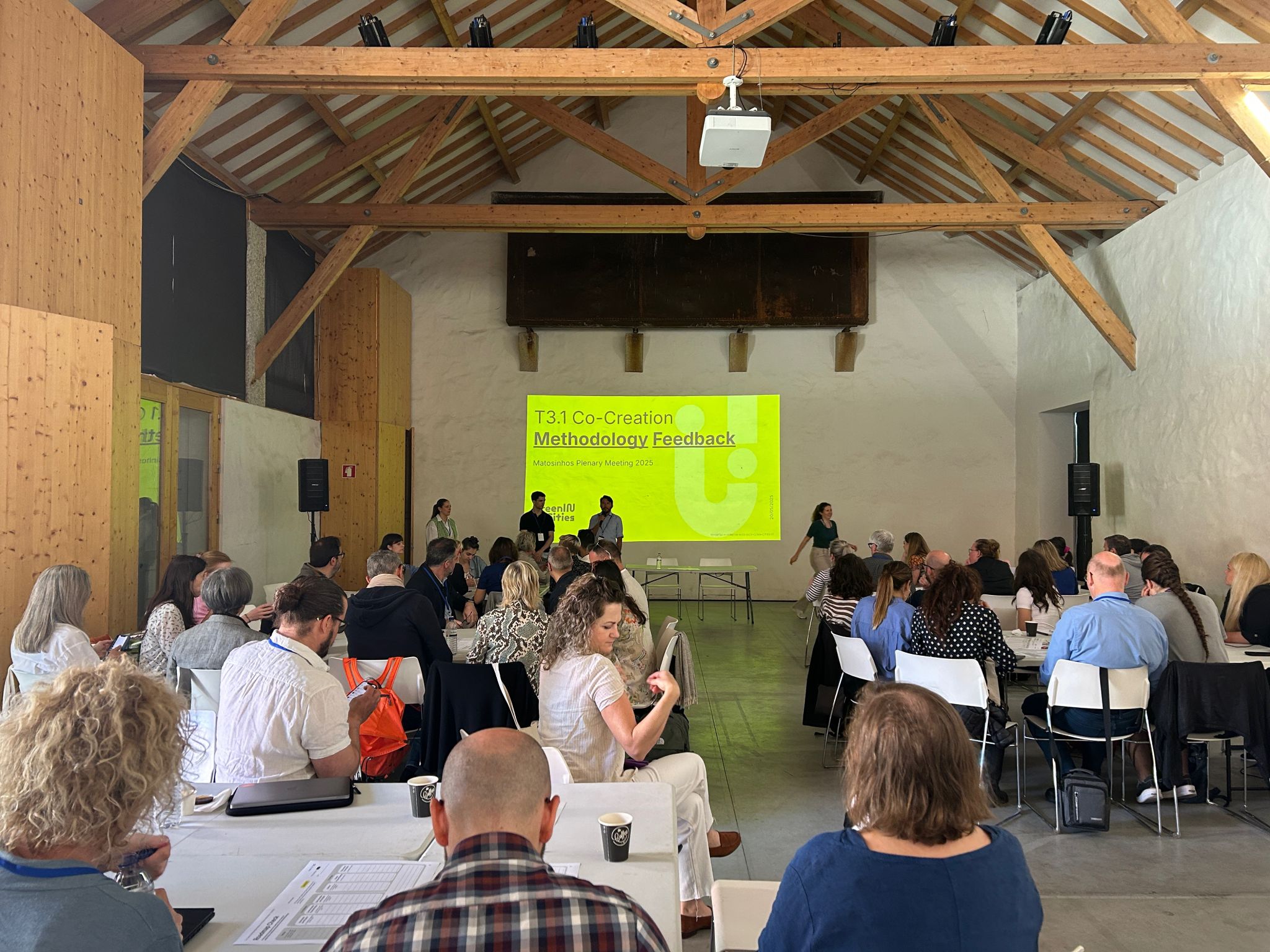
Co-Creation Methodology Assessment: Hosted by THINGS, this workshop allowed pilot cities to provide critical feedback on the current co-creation framework. While the session recognized significant progress in fostering inclusivity and transparency, participants also addressed systemic challenges, including the complexity of technical tools and existing funding gaps.
-
Knowledge Transfer & Twinning: Under the guidance of the University of Porto, a Twinning Workshop utilized city profile pitches to align municipalities with similar goals. This resulted in a new partnership matrix; notably, Athens established a collaboration with Barcelona and Birstonas to share expertise on Biodiversity Mapping and the implementation of Digital Twin technology.
-
Green Interventions & Urban Design: ABUD (Advanced Building & Urban Design) and the Institute for Advanced Architecture of Catalonia (IAAC) facilitated a Solutions Workshop. The session explored "intangible" green practices, ranging from wildlife management in Athens to edible urban landscapes in Nova Gorica. A central theme was the integration of nature as a primary stakeholder in all urban interventions.
-
Scaling and Long-term Impact: The day concluded with a Community of Practice (CoP) session led by the Fab City Foundation and Fab Lab Reykjavík. Using a gamified structure, organizers identified core thematic domains—such as digital infrastructure and Nature-based Solutions—to build stakeholder clusters. This framework is designed to support the international replication and long-term upscaling of the project’s findings.
Through these collaborative efforts, Day Two successfully strengthened the strategic alignment of the consortium, ensuring a unified approach to building resilient, nature-positive urban environments.
Day 3
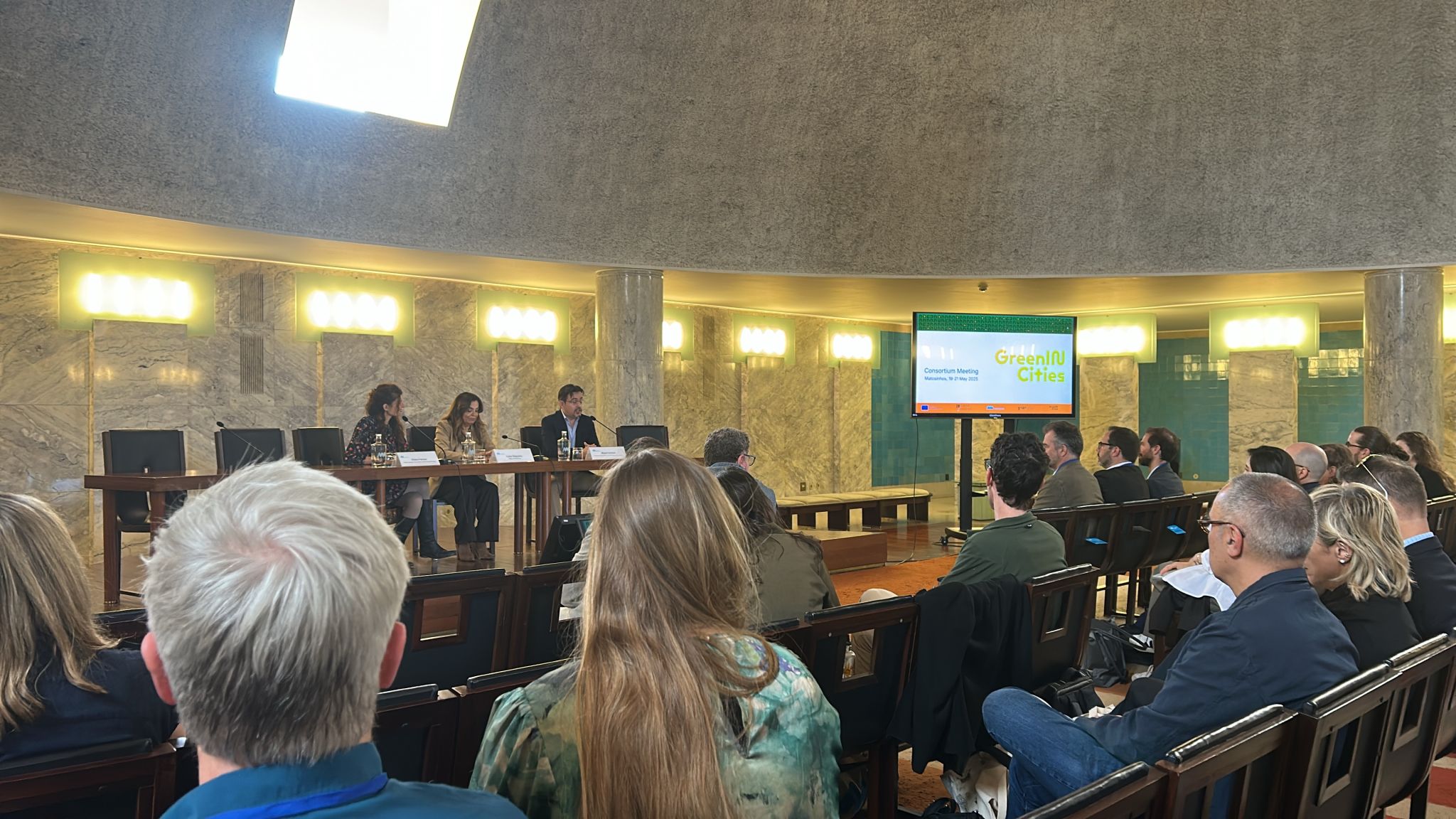
And to wrap up an incredible GreenInCities Consortium Meeting in Matosinhos, we spent our final day focused on the "engine" behind our project: data, evaluation, and the spirit of innovation.
Highlights:
-
The Data Marketplace: Sensative and IES Ltd. gave us a first look at our new data dashboard. It’s a game-changer for tracking KPIs and real-time data, making it easier than ever to manage our urban interventions.
-
Measuring Impact: How do we know we’re truly making a difference? Mcrit led a workshop on "Ex-Ante Evaluation," helping us align on how to measure the success of our nature-based solutions using both hard data and community feedback.
-
Innovation in Action: From circular construction to Digital Twins, Andrea Conserva (IAAC) led a deep dive into our Key Exploitable Innovations. We’re not just creating ideas; we’re finding ways to scale these innovations for a greener future.
-
A Vision for the Future: Our coordinator, Chiara Farinea, closed the meeting with an inspiring reminder: our work must represent both human and non-human perspectives. As we move forward, we are shifting from ideas on paper to tangible, nature-centered designs in our pilot cities.
That certainly was an inspiring few days of collaboration. These insights are sure to prove invaluable for the continuation of the GreenInCities project!