
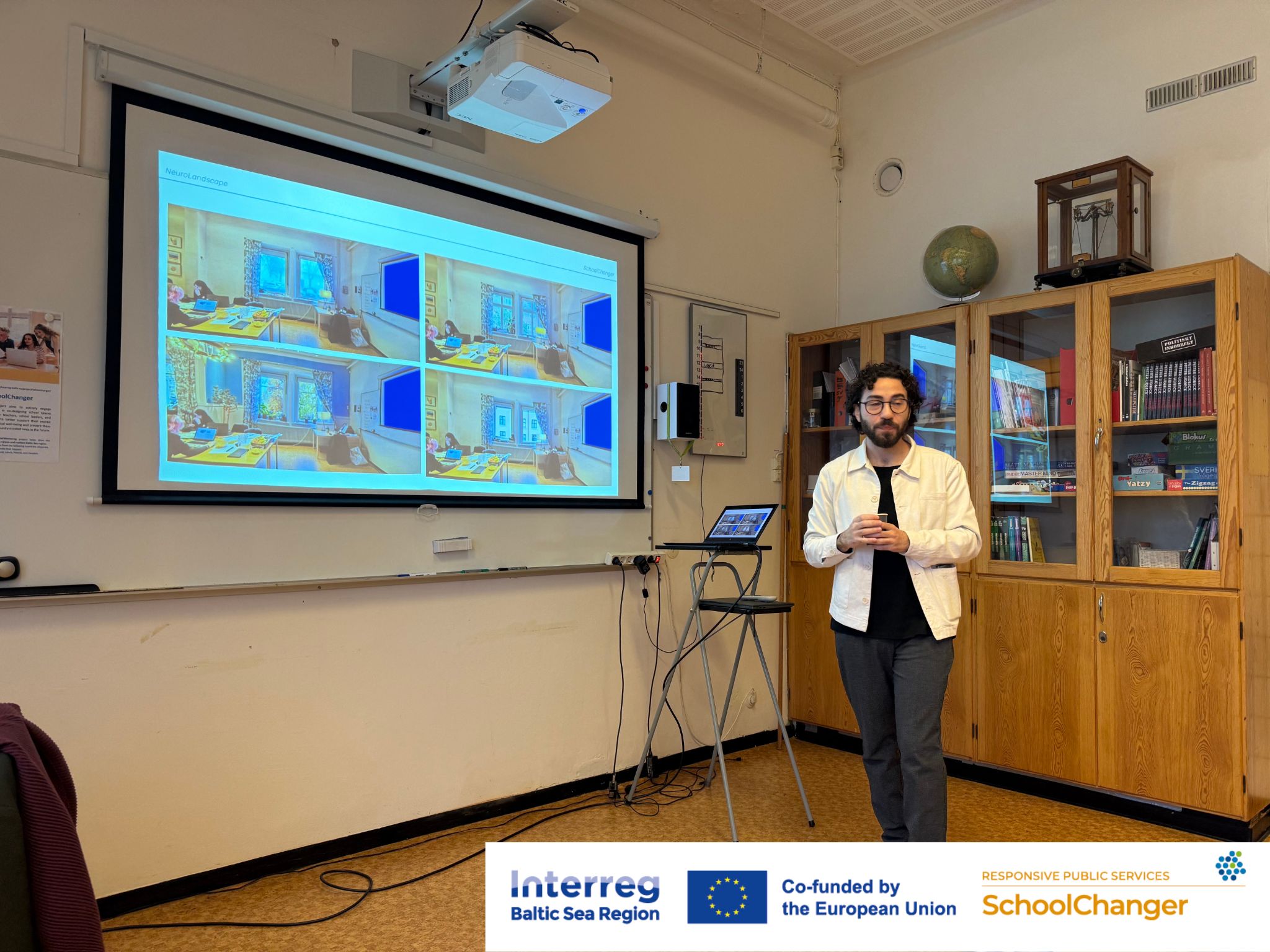
Hej! The NeuroLandscape team is in the Swedish countryside this week (18-19 November) researching how to change schools for the better as part of the SchoolChanger project.
NeuroLandscape's lead researcher on the SchoolChanger project, Ghieth Alkhateeb, is participating in a workshop at Axevalla Folkhögskola, which brings together students, educators, and international design participants to explore how learning spaces can better support well-being, flexibility, and connection to nature.
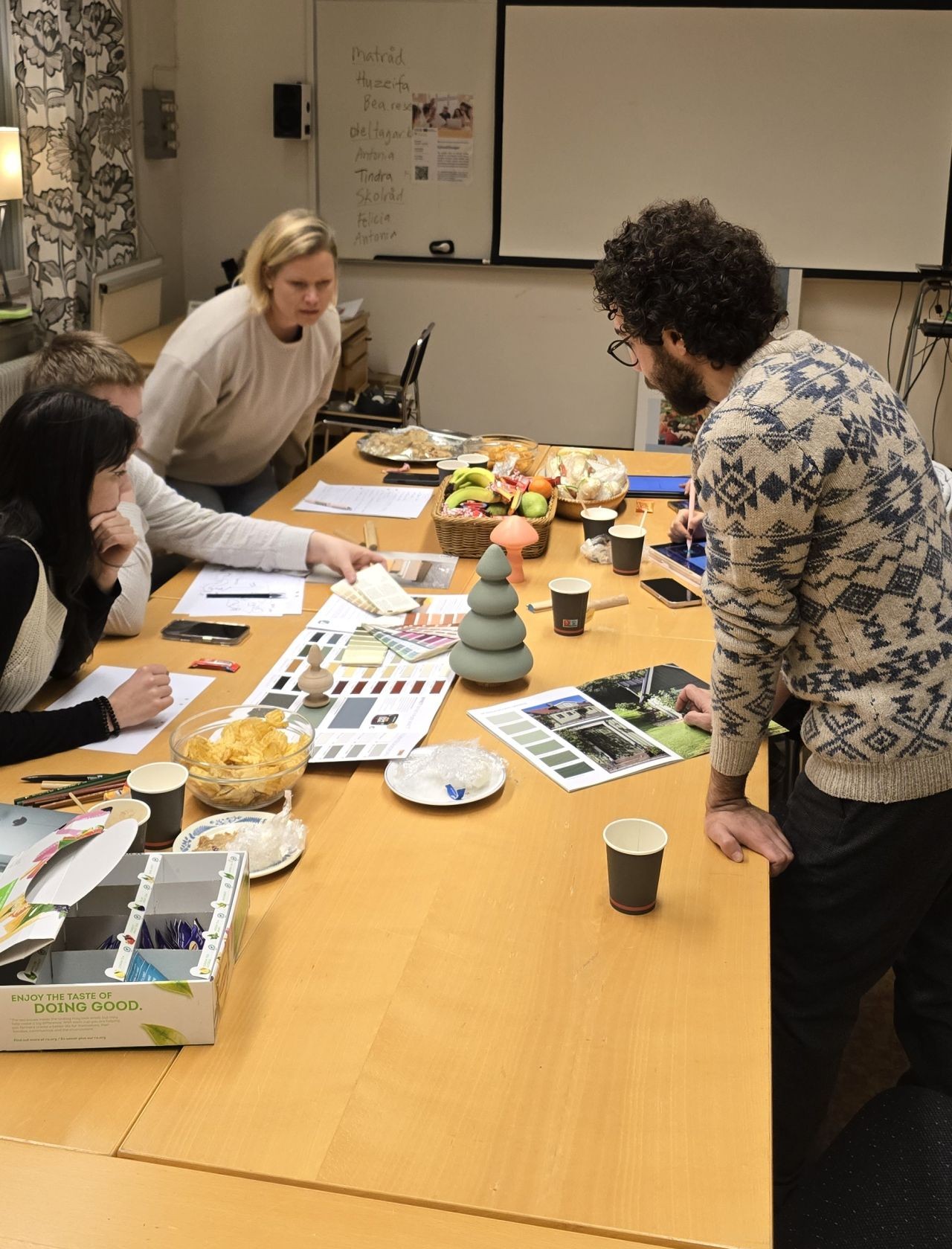
Participants are working with local students to understand their experiences of the classroom and their relationship with nature. Together, they've explored ideas for transforming the space to be more adaptive to users’ needs.
It's encouraging to see how engaged everyone is and how well the SchoolChanger approach resonates with both students and staff. We look forward to the next steps and to developing the tools, research, and evidence that will support healthier school environments across Europe.
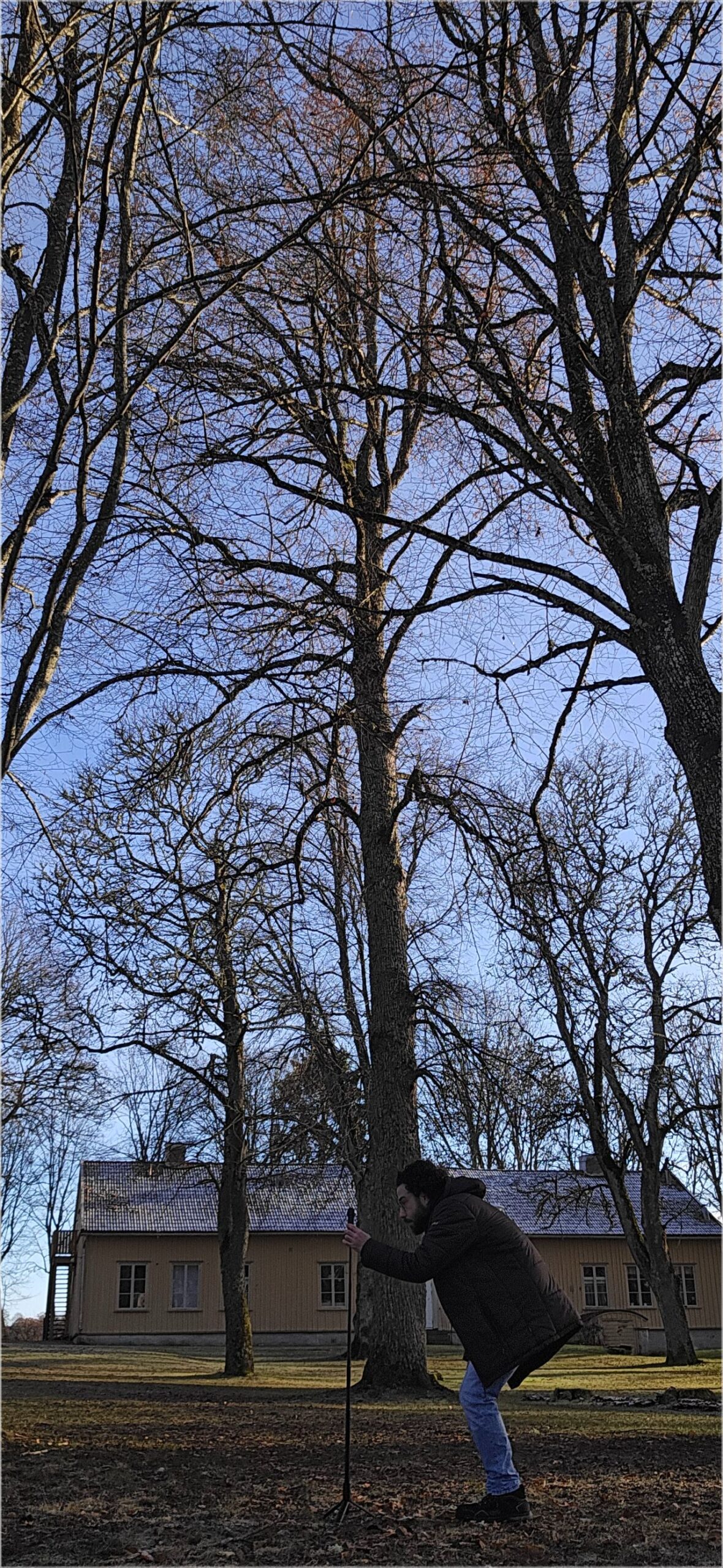
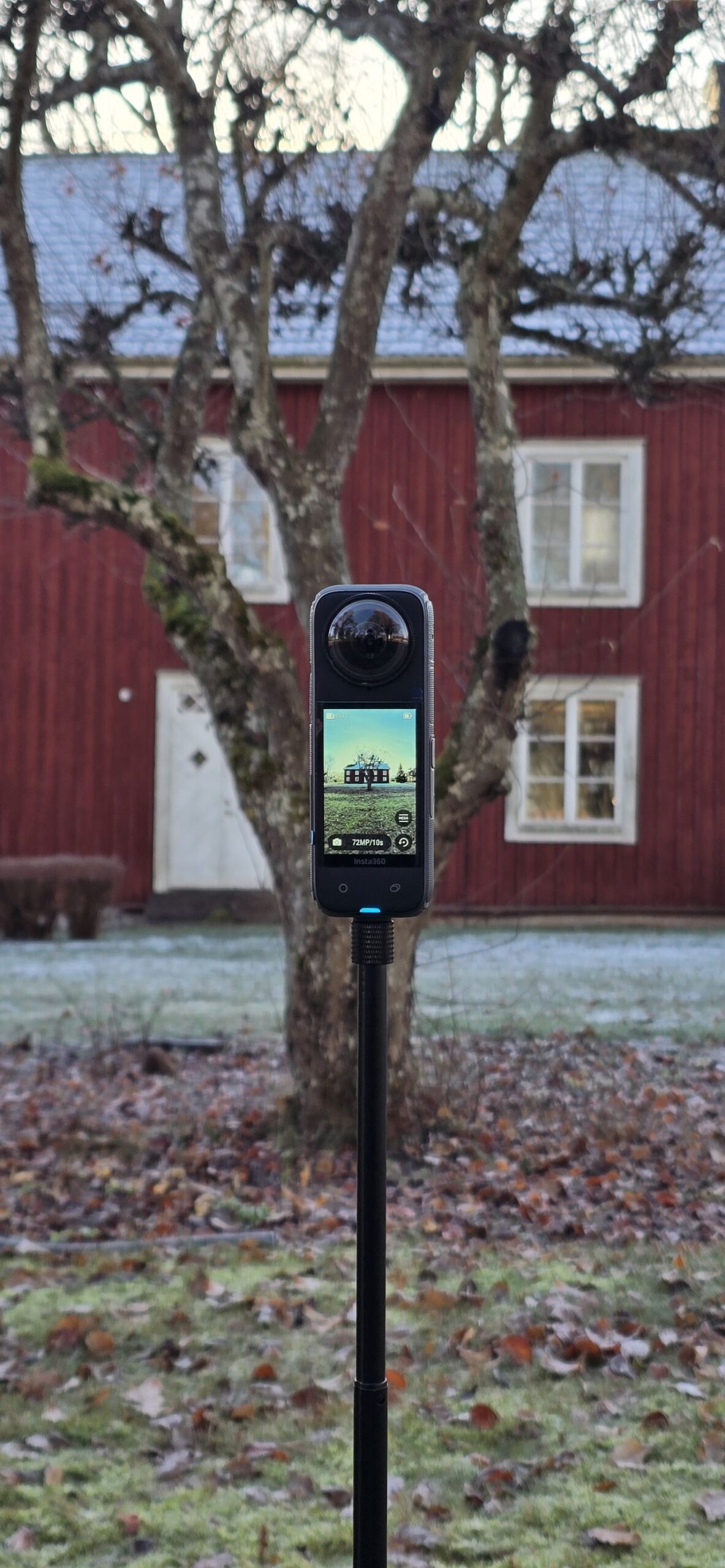
In addition to presenting and participating in the workshop, NeuroLandscape carried out an indoor and outdoor 360-degree photographic survey with the goal of combining VR tools and EEG data to inform the design work and, subsequently, measure its impact.
How do students truly experience their classroom? A question at the heart of the SchoolChanger project. Insights from students at Axevalla Folkhögskola shaped a two-day co-creation workshop in which our NeuroLandscape team collaborated with participants and educators to explore spatial improvements that could better support well-being and strengthen connection to nature.
We also presented NeuroLandscape’s neurourbanism approach, emphasizing the importance of outdoor views/environments and the value of biophilic design. With this in mind, we presented visualizations of possible classroom redesign scenarios, both indoor and outdoor.
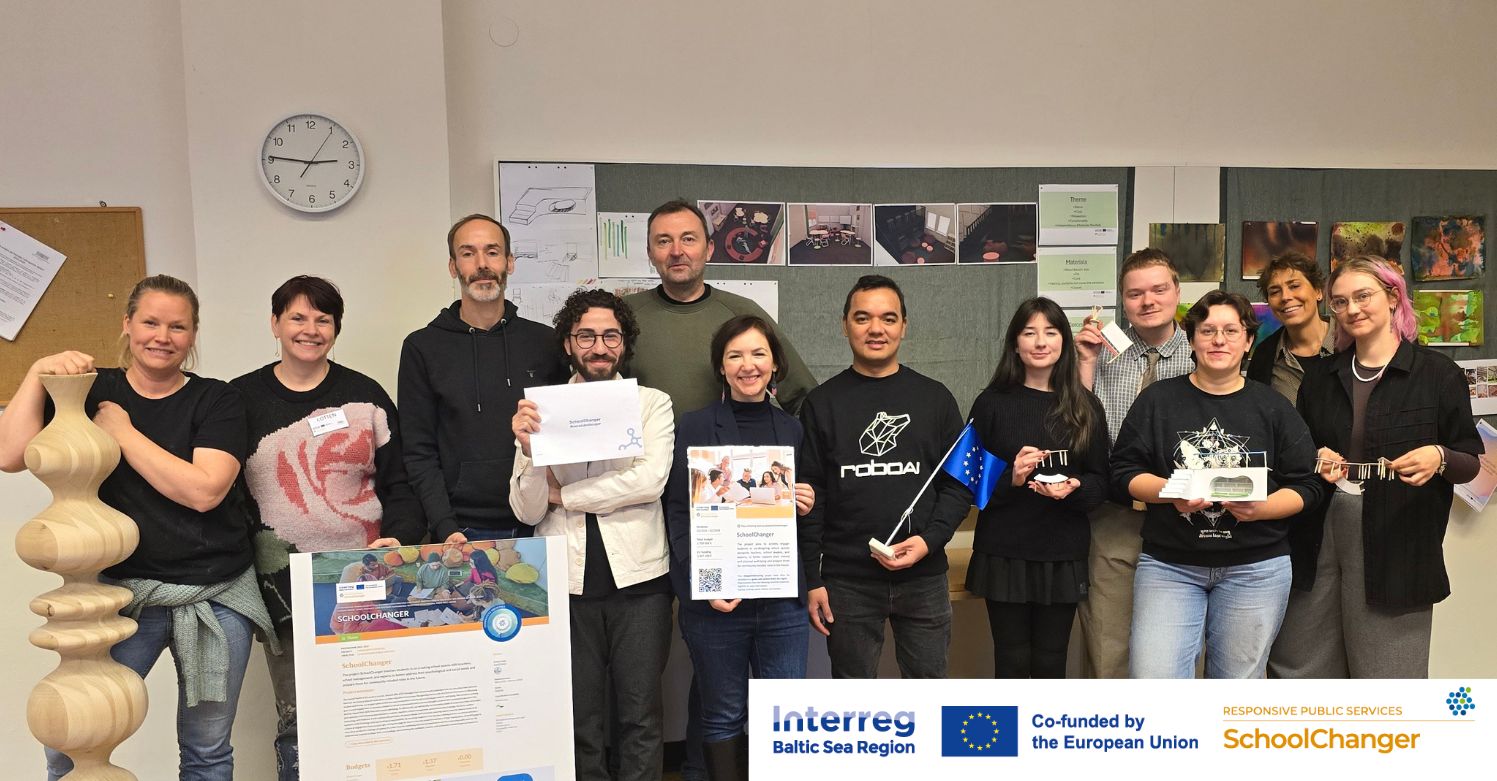
Thank you Axevalla Folkhögskola and Puuts Interior AB for your collaboration.
Stay tuned for more updates on the SchoolChanger Project, which is part of the Interreg Baltic Sea Region Programme 2021-2027 and co-funded by the European Union.